
In the era of the internet and the rapid growth of the online market, a key success factor for any business is having a high-quality web platform capable of attracting the maximum number of interested buyers and clients.
However, even the most stylish and user-friendly website will remain unnoticed among thousands of competitors if it is not ranked at the top of search results. This is exactly where professional SEO auditing and optimization come into play.
What is SEO and why is it necessary?
SEO (Search Engine Optimization) is a set of measures to optimize a website to increase its visibility and ranking in search engine results pages (Google, Yandex, etc.). The primary goal of this technology is to attract organic (free) traffic and increase the number of visitors to the resource.
Why should you focus specifically on SEO?
Here are the main reasons:
- Free traffic: if you reach the top of search results, customers will find you themselves when they want to purchase your product or service.
- Long-term effect: properly configured SEO will ensure a steady flow of visitors for years to come.
- Cost-effectiveness: compared to paid advertising, SEO is significantly cheaper and delivers sustainable long-term results.



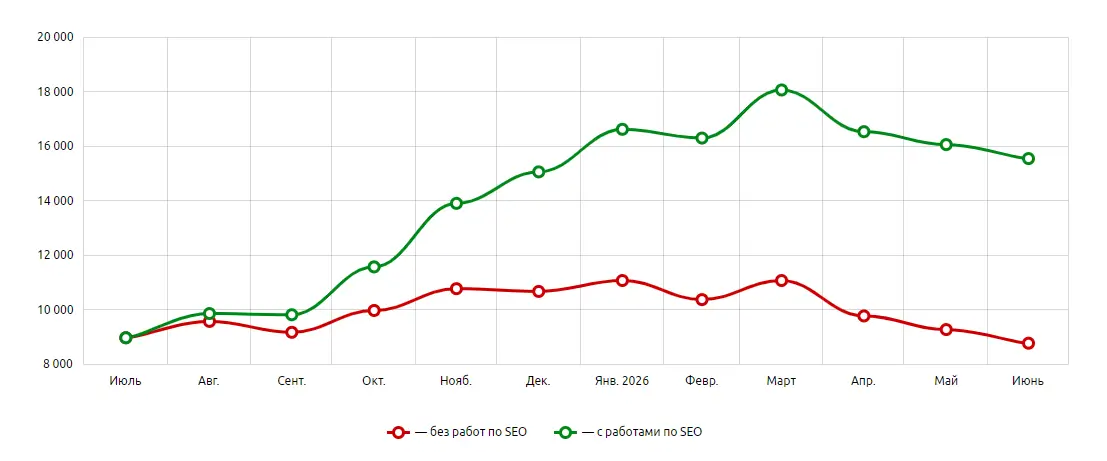
Key stages of professional SEO auditing and promotion
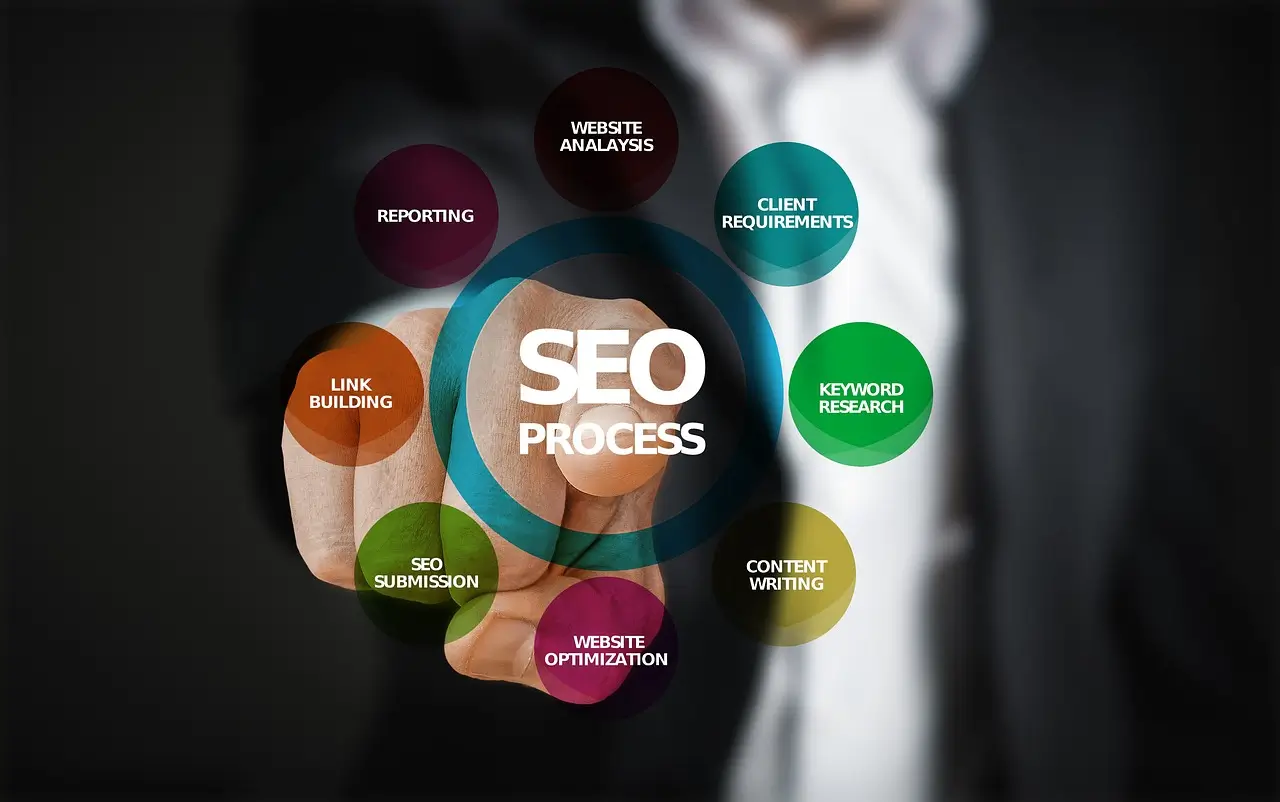
The SEO process includes several stages, each of which is important for achieving high positions in search rankings.
1. Audit of the current website status.
Before taking any action, it is important to conduct a deep audit of the existing website to identify weaknesses and determine the potential for improvement. Specialists evaluate the site structure, page loading speed, ease of navigation, presence of duplicate content, code errors, and other technical aspects.
2. Keyword analysis and semantic core.
Keywords are the foundation of any successful SEO campaign. Identifying the right queries that users most often use to search for your products or services will help make the content relevant and attract more targeted traffic.
3. Technical audit and error correction.
At this stage, specialists eliminate technical issues such as server errors, slow page loading, lack of structured data, and other obstacles preventing the site from achieving decent positions in search results.
4. Content and internal site structure optimization.
Creating high-quality unique content, properly distributed across site sections, will improve the site’s perception by search robots and build user trust. It is also important to establish convenient internal linking of pages and ensure a proper hierarchy of categories and tags.
5. Off-page optimization and link building.
Effective off-page optimization includes obtaining high-quality backlinks from authoritative resources that confirm the value and popularity of your site. Specialists regularly check the reputation of referring domains to avoid search engine penalties.
6. Continuous control and monitoring of results.
SEO is a continuous process that requires regular monitoring and adjustments. Specialists constantly track the dynamics of site rankings, test various approaches, and adapt the promotion strategy based on current market conditions and search engine algorithms.
SEO is a powerful tool that allows any business to confidently establish itself in the digital space and successfully compete with major players. A professionally executed SEO strategy can significantly increase brand awareness, boost sales, and create a solid foundation for the company’s long-term development.